
Why do we juice our fruit?
The WHO recommends a daily intake of at least 400g of fruit and vegetables*.
"An Apple a day keeps the doctor away".
This and similar information is widely known. What many don't know is that fructose has roughly twice the LD50 toxicity value of ethanol ("pure alcohol") , and that long-term consumption is at least associated with adverse health effects. These range from obesity and fatty liver disease to a wide spectrum of common health problems .
By juicing, i.e., pressing (English: "reverse juicing"), most of the fructose can be removed from the fruit because it is dissolved in water.
The juice tastes very good, but from a nutritional point of view it's practically worthless: there's not much in it besides sugars and water. We're throwing it away immediately.
In my opinion, the more "valuable" (or at least less problematic) plant components such as polyphenols, flavonoids, vitamins and fiber are more likely to be found in the fruit pulp anyway.

ENJOY FRUIT
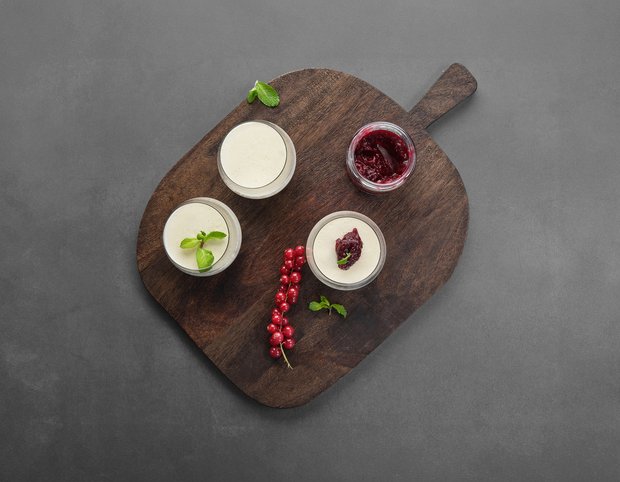
Rinse the pulp with water after juicing and then process it further as desired, such as ice cream, jam, jelly, compote...
ATTENTION - What about dried fruit?
Drying, for example, only removes the water, not the fructose. Accordingly, one can imagine that dried fruit (raisins, prunes, apple rings, etc.) is not "entirely optimal" for our metabolism and health.

Conclusion: Juicing as a targeted separation of sugar and nutrients
Juicing fruit is less a preparation method and more a deliberate separation process . Juicing separates the pulp – rich in fiber, phytochemicals, and micronutrients – from the liquid portion, which consists mainly of fructose and readily available sugars .
The decisive advantage arises when the juice is not consumed but discarded or used only in very limited quantities. This allows for a targeted reduction in sugar intake without sacrificing the valuable nutrients of the fruit. The pulp can still be used in a variety of ways, such as in the form of purée, compote, or other preparations that preserve fiber and bioactive substances.
In the context of a lectin-free and metabolically gentle diet, this approach represents a pragmatic solution: It allows you to preserve the enjoyment and nutrient density of plant-based foods while minimizing potentially problematic factors such as isolated fructose. Juicing thus becomes a tool for removing sugar – not for drinking it .

